EVAP System Diagnosis
Leaks in the evaporative-emissions system, vacuum lines or related components can trigger faults even when the vehicle seems to drive normally.
A failed emissions test or emissions-related check engine light can come from EVAP leaks, fuel-control faults, oxygen-sensor problems, ignition issues or catalyst concerns. Fastlane diagnoses the cause before recommending repairs.
Quick Answer
What should I do if my vehicle fails an emissions test? Start with diagnosis rather than replacing parts based on the failure notice alone. Fastlane can evaluate emissions-related trouble codes and systems such as EVAP, fuel control, oxygen sensors, ignition and the catalytic converter.
An emissions failure is a symptom of an underlying system problem. The repair should match the code, test result and vehicle condition rather than relying on a generic parts list.
Leaks in the evaporative-emissions system, vacuum lines or related components can trigger faults even when the vehicle seems to drive normally.
Fuel-control problems and oxygen-sensor faults can affect the engine management system and emissions performance.
Worn or defective spark plugs and related ignition problems can contribute to poor combustion and emissions-related trouble codes.
Catalyst-efficiency faults should be diagnosed in context because engine, sensor and fuel-control problems can affect catalytic-converter performance.
Some emissions faults create noticeable drivability symptoms, while others may only appear as a warning light or failed inspection result.
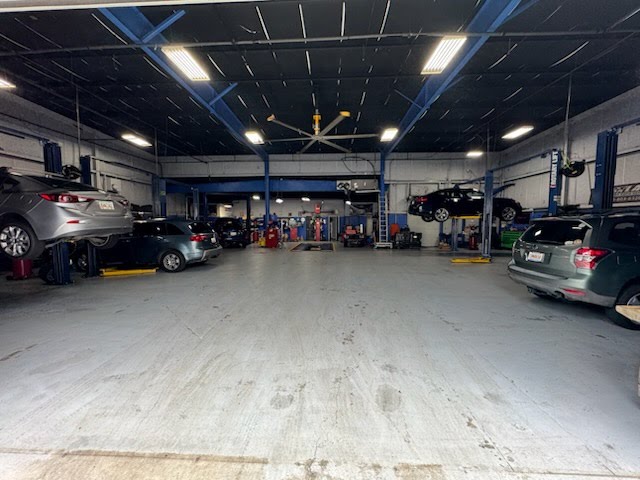
A failed inspection provides useful direction, but the vehicle still needs diagnosis to identify the actual fault.
Emissions-related codes can involve EVAP, fuel control, oxygen sensors, ignition or catalyst efficiency.
A fuel-system or EVAP concern should be inspected rather than ignored, especially when accompanied by a warning light.
A damaged or improperly sealing gas cap is one possible source of an EVAP fault and should be checked as part of diagnosis.
Worn spark plugs or other ignition and fuel problems can affect both engine performance and emissions output.
Clearing a code does not repair the cause. A returning fault indicates the system still needs testing.
Fastlane uses the stored fault information to decide what to test next. A code can identify a system or performance condition without proving that a specific sensor or part has failed.
That is especially important with EVAP and catalyst faults, where leaks, fuel-control problems, ignition issues and sensor readings can interact.
One Fastlane Service Standard
Bring the failed test information or warning-light concern to the Fastlane shop most convenient for you. Our focus is diagnosing and repairing the vehicle systems behind the failure.
Emissions problems often require careful testing because several systems can produce similar fault codes or inspection failures.
Related Services
A failed emissions test can overlap with engine performance, catalytic-converter and maintenance concerns.
Service recommendations vary by vehicle, condition, mileage, equipment and diagnostic findings.
Each Fastlane shop follows the same service-first approach with clear recommendations and online scheduling.
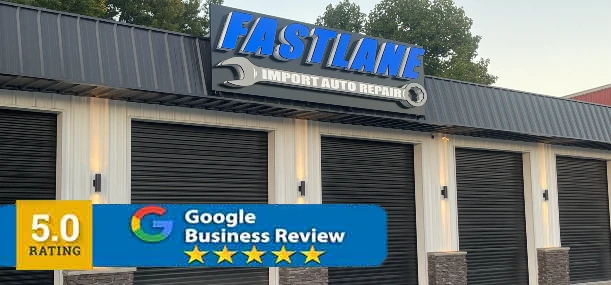
Hiram
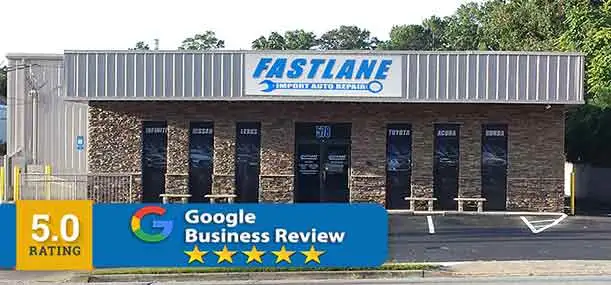
Smyrna
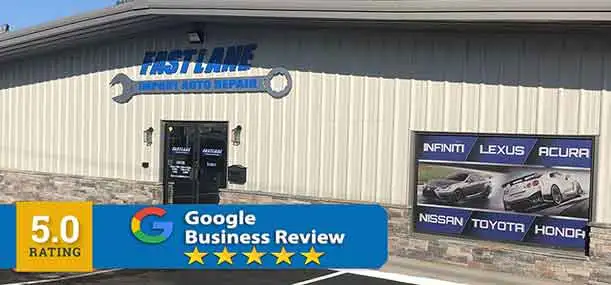
Woodstock
The exact repair depends on the failure information, stored codes and test results for the specific vehicle.
Choose Hiram, Smyrna or Woodstock when scheduling online. All three Fastlane locations are open Monday through Friday from 8:00 AM to 6:00 PM.